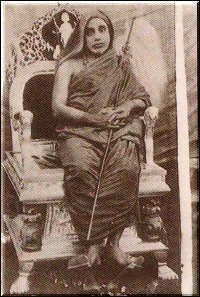
Sri Devi Kamakshi Sri Sri Sri Adi Sankara Sri Sri Sri Chandrasekharendra Saraswathi MahaSwamiji Sri Sri Sri Jayendra Saraswathi Swamiji Sri Sri Sri Sankara Vijayendra Saraswathi Swamiji
Kamakoti.org presents several different aspects of HinduismKamakoti.org The official web site for Sri Kanchi Kamakoti Peetham, Kanchipuram, India.
   Home    |   Announcements    |   Tour Programme    |   Audio & Video    |   Image Gallery    |   Acknowledgements    |   Sitemap   
     About the Peetham    |   Origin of the Peetham    |   About this web site    |   Contact Us    |   Search   
  Use this link for a Printer Friendly version of this page   Use this link  to email this page to others
Hindu Dharma
Acharya's Call
Voice of Sankara
Personal Experiences
Sri Adi Sankara
Namo Namah
Dasoupadesam
Naamavali / Pushpaanjali
Tamil
Telugu
  
The One Goal
(HinduDharma: The Vedas)
 
Receive pages from Hindu Dharma in your email

Briefly told, a yajna is making an oblation to a deity in the fire with the chanting of mantras. In a sense the mantras themselves constitute the form of the deities invoked. In another sense, the mantras, like the materials placed in the fire, are the sustanence of the celestials invoked. They enhance their powers and serve more than one purpose. We pay taxes to the government. However, the various imposts - professional tax, land tax, motor vehicles tax, and so on - are collected by different offices. There are also different stamp papers for the same. Similarly, for each karma or religious work there is an individual deity, a separate mantra, a particular material, etc, but the ultimate goal of all these is dedication to the Supreme God. We know that different departments are meant for the same government. Similarly, we must realise that the sacrifices performed for the various deities have behind them one goal, the Paramatman.

The king or president is not personally acquainted with us who pay the taxes. But Paramesvara, the Supreme Monarch, knows each one of us better than we know ourselves. He also knows whether we pay the taxes properly, the taxes called sacrifices. Paramesvara cannot be decieved.

As mentioned before, for each sacrifice there are three essential requirements: the mantra, the material for oblation, and the deity to be invoked, the three bringing together speech, hand [body] and mind.

About "Hindu Dharma"
"Hindu Dharma" is a book which contains English translation of certain invaluable and engrossing speeches of Sri Sri Sri Chandrasekharendra Saraswathi MahaSwamiji (at various times during the years 1884 to 1994).
For a general background, please see here
 
Previous page in  Hindu Dharma is Animal Sacrifice in the Age of Kali, in part 5
Previous
Next page in  Hindu Dharma is  Those who conduct Sacrifces, in part 5
Next


© Copyright Shri Kanchi Kamakoti Peetham
No part of this web site may be reproduced without explicit permission from the Peetham. Some material put up on this web site are protected by individual copyrights of the concerned organisations.
The search feature is powered by Google™ Freesearch. Google™ is a Trademark of Google Inc.